
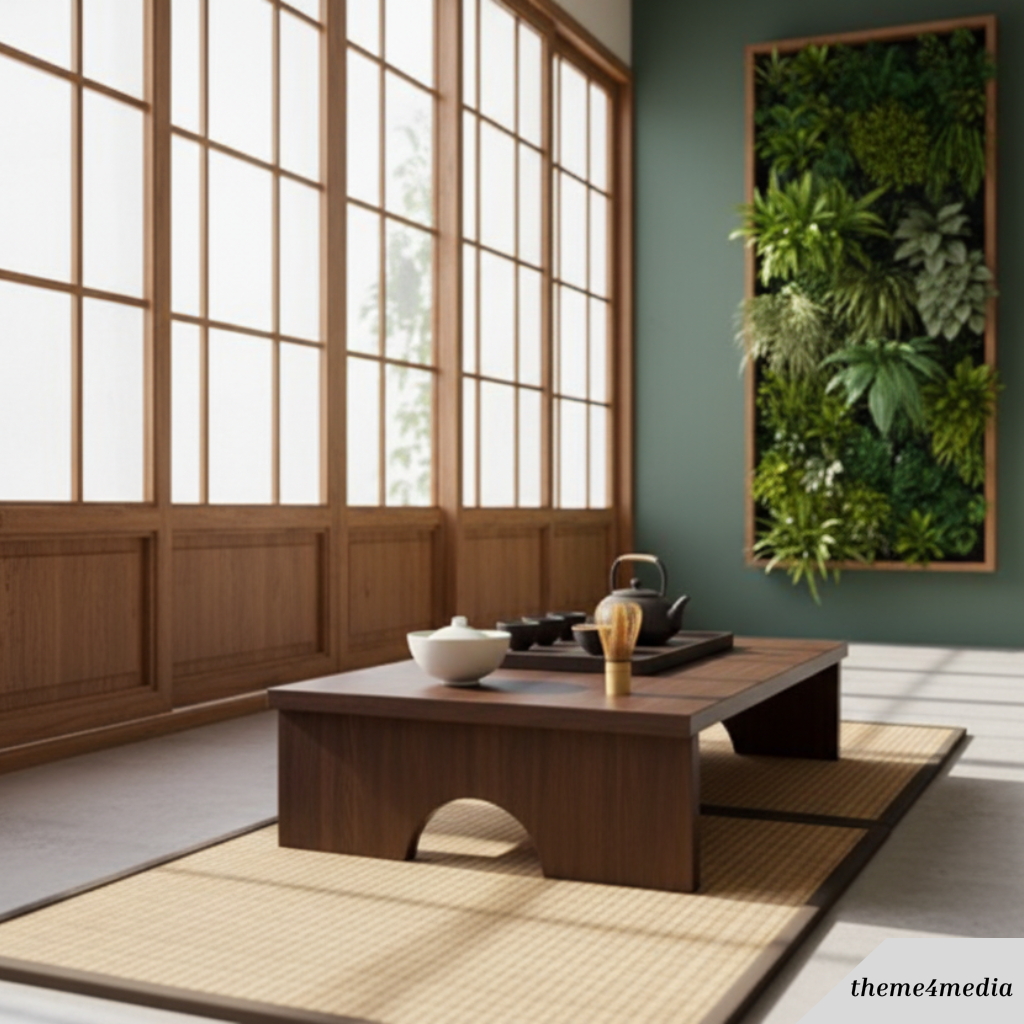
How to Combine Wood Tone in Your House: The Science of Balance. Wood brings an extra magic charm to a house. It is an organism, it is alive and breathing, and it does not tell the story of either the flooring or furniture. Each tone possesses its partiality, each grain formation is a unique finger. Nevertheless, the idea of mixing a number of wood tones in a single area can be quite daunting to many. People genuinely fear creating an environment that others might see as a showcase of mismatched furniture instead of a harmonious, comfortable space.
The following is a little-known secret of the design world though; it is unnecessary to match every single piece of wood, not only that but this can also make a space seem uninspired and rather bland. A delicate combination of tones creates the character, depth, and natural charm. Suppose it were a family reunion. You do not want everybody to dress the same but you want a sense of community. The purpose is not conformity but unity. It is in learning to deliberately blend wood tones that you can create an environment that you can make feel loaded with personality, built over a lifetime, and incredibly welcoming.
How to make different wood tones go together?
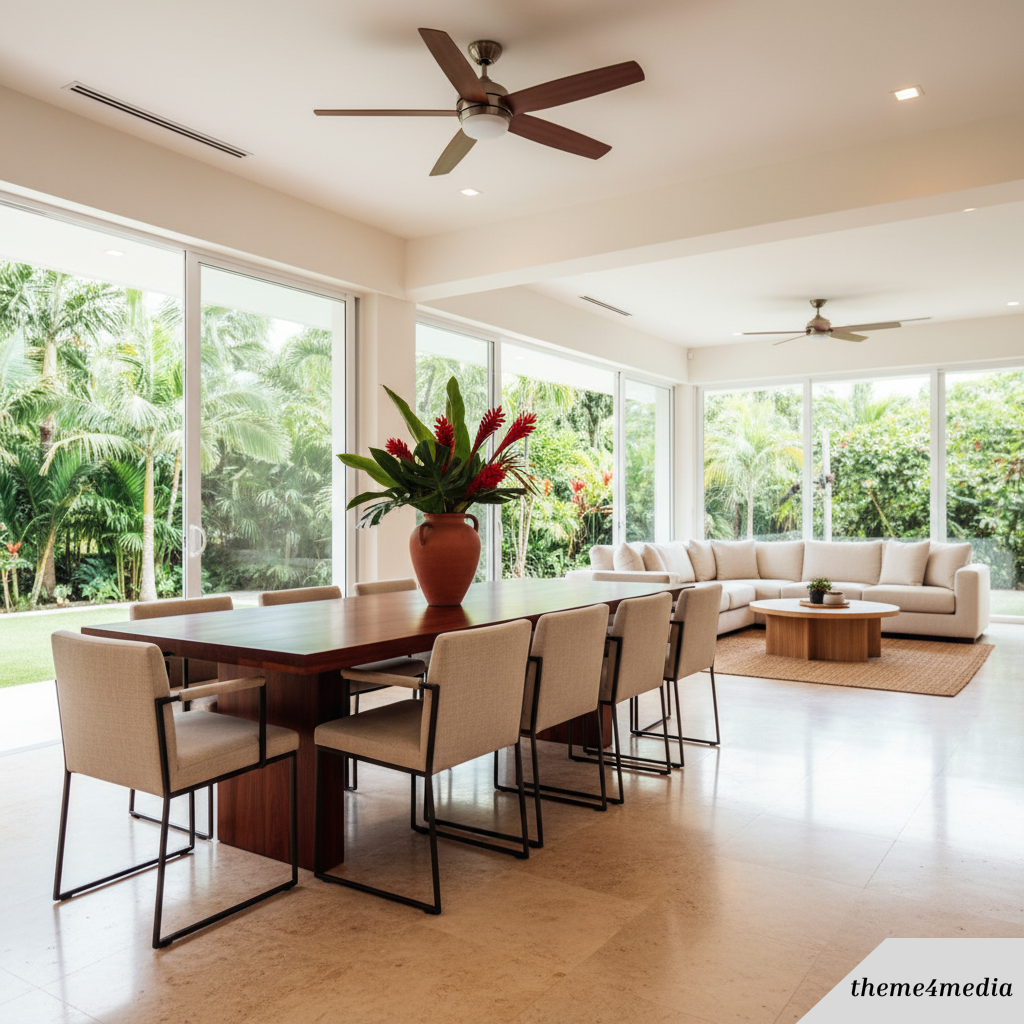
It is an ability that makes your house more than a picture-perfect, making it entirely and absolutely your own. We are going to go through the basics that will see you safely blend in. The initial step and the most important step is to establish a hierarchy. You should construct a room properly with a preponderance of wood, just as a good story needs a lead character. This is often the biggest area of surface, either a big dining table or a big entertainment unit, or your hardwood flooring. This work establishes the essential color scheme in the room and preconditions the setting.
Can wood tones clash?
To look at the warm undertones of woods, think of deep reds of mahogany, the honeyed oranges of several cherry finishes, or the golden yellows of pine. Some are cold undertones, like the steely browns in some of our modern walnuts, or the ashy grays in some old oak. It is the most agreeable blends that are usually upheld by a steady undertoning family. The warm timbers that are mixed with warm timbers generate cozy and enveloping harmony. And similarly, cool tones woods work well together forming a less stressful, more modern ambience.
Should you mix wood tones in a room?
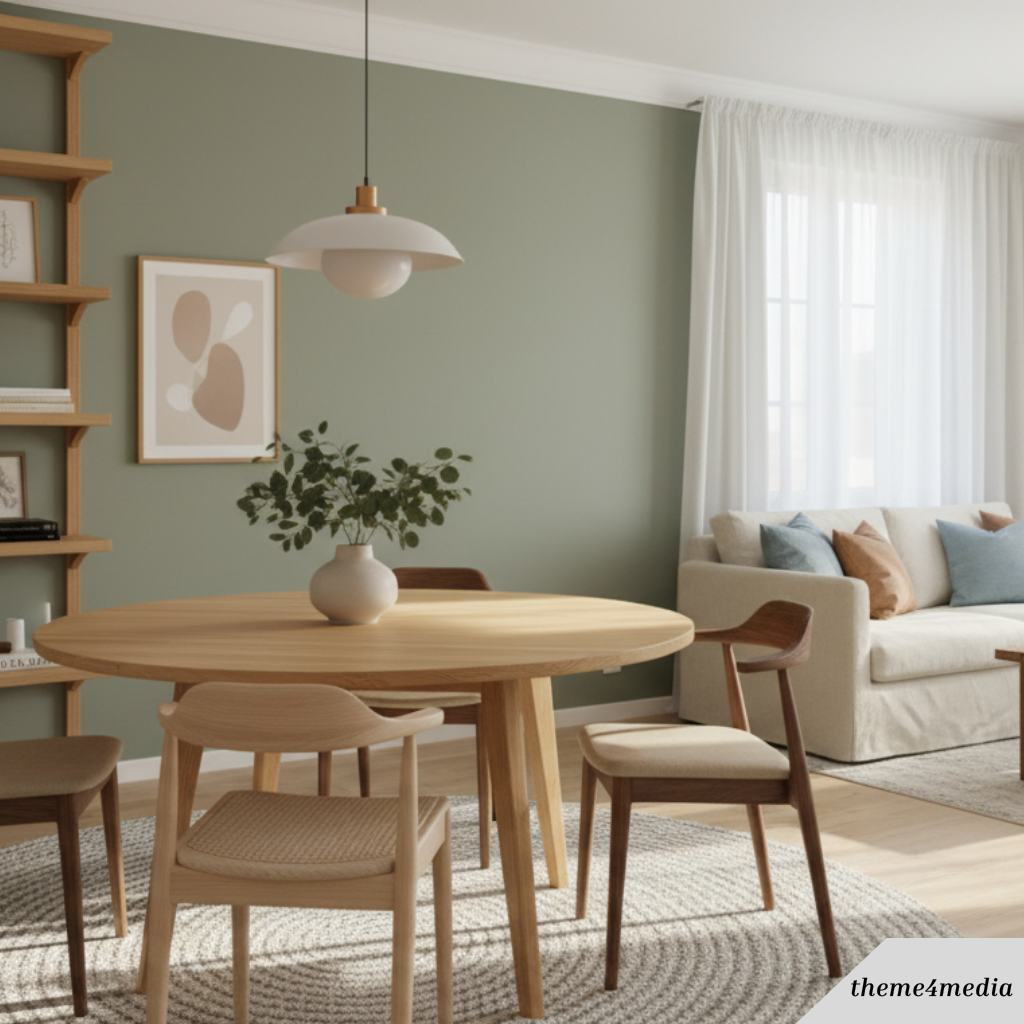
The light ash table and deep ebony seats are daring in a room which makes it feel vibrant and well-curated. It is important to make sure that the variation is sufficiently large to look like it was made intentionally. This contrast creates a sense of visual depth by bringing the attention around the space and highlighting the beauty that each piece has on its own. The only thing that can make these opposing sides not look so arbitrary or disjointed is repetition. Harmony is the peg of repetition. You can find a small means of imitating the same darkness elsewhere in the room, the foot of a lamp, legs of a side-table, or a picture frame, should you have beautiful dark wood to your dining chairs.
Creating Visual Separation in Mixed Wood Interiors
Two separate wood products may exist in the same space by introducing a visual separation between them through the plush pile of an earthy-colored rug or the smooth feel of a linen couch. Metal elements such as polished chrome, matte black or brushed brass lend some sort of distinct sheen and texture that attributes to the natural coziness of the wood. The composition can be lightened by adding reflective surfaces provided by a big ceramic vase or collection of decorations made of glasses. It is best to always positively test your options in the real space before committing to anything major.
The artificial and natural light in your house can greatly change the look of a wood tone. The wood that is entirely neutral in your living room showroom can turn a shocking pink or orange due to the light in your living room. Bring samples home and usually big ones and spend the day with them. have them near the woods you already possess, and see them by your morning-light and by your evening-lights. This simple, systematic procedure will ensure that your end product feels perfectly in pitch and is the best curb against costly regrets.