
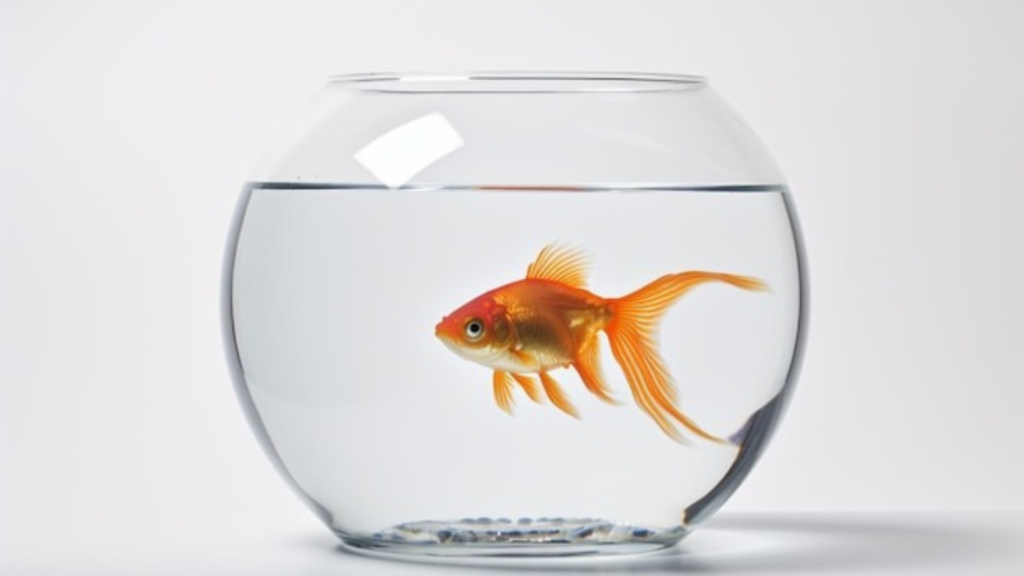
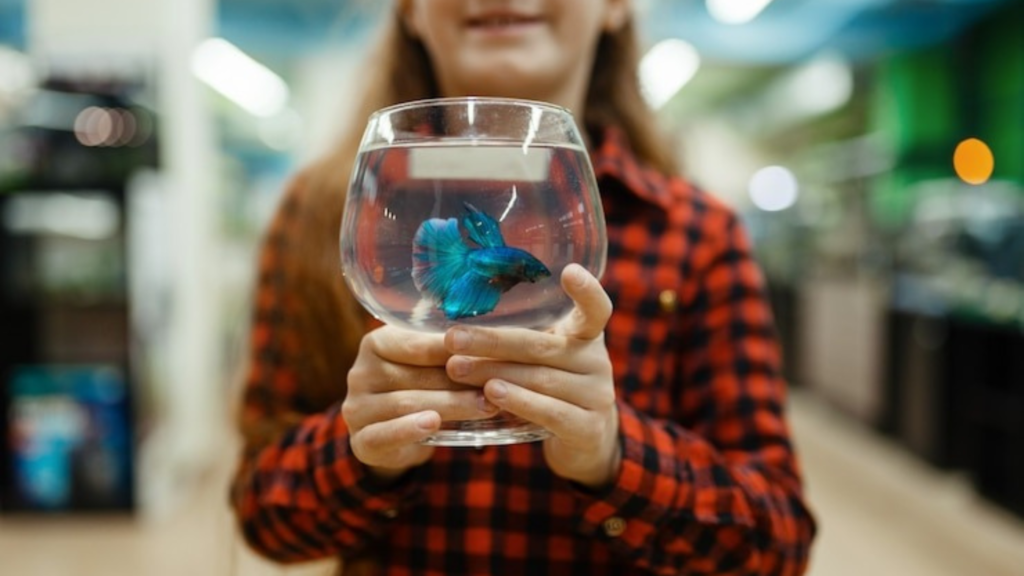
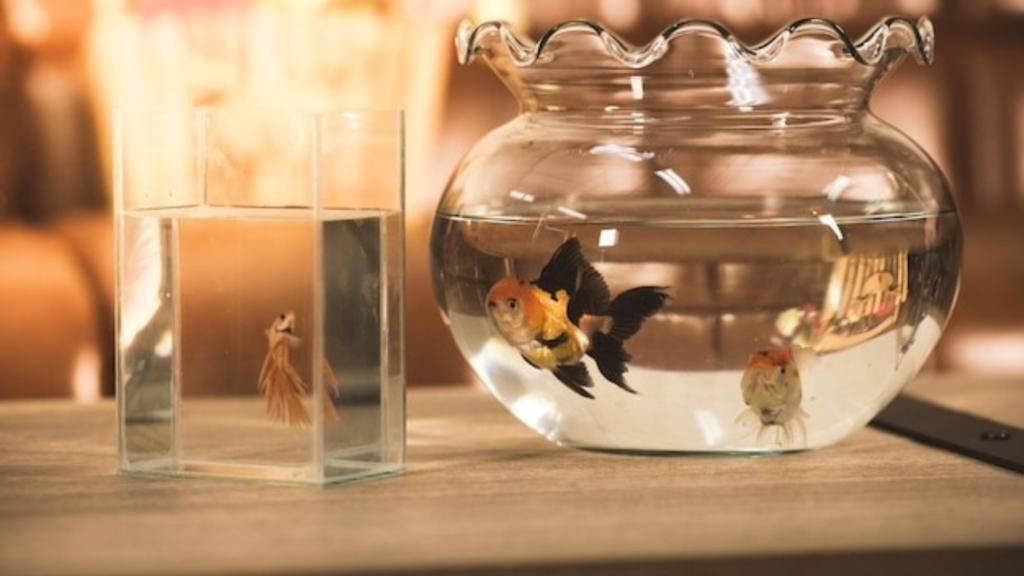
Common Aquarium Mistakes and How to Avoid Them. Taking care of an aquarium is a wonderful yet hard way to get closer to nature. But like any other activity, it requires knowledge, patience, and paying attention to small things. There are a lot of things that can go wrong that can harm fish health and the equilibrium of the aquatic ecosystem. Once more, here are the most common things you shouldn’t do if you want your aquarium to survive a long time, look great, and be healthy, as well as have a clear view of it. You shouldn’t get aquariums that are small and round.
For one, they’re too small, and the surface area is too small compared to the volume, so it’s hard to get enough oxygen into the water. Also, fish find the circular shape to be stressful. Choose gravel that is medium-sized since big rocks hold a lot of dirt and small pebbles make it harder for water to flow underneath. It hurts fish and makes the water worse. If you want colored gravel, look for natural gravel that doesn’t have any dyes added to it that could pollute the water.
Starting Too Small
If you want to keep a lot of fish, you need to choose a reliable aquarium filter. This isn’t a very cheap fix, but the benefits are huge no infections, no fish deaths, better water quality, less waste buildup, and better water movement in the aquarium. If you want the filter to work well, you should get one that can hold more water than the tank. The most important thing to think about when keeping fish in an aquarium is how to make them healthier.
When you notice something is wrong, the first thing you should check is the water’s condition. This is usually what causes the problem, and you don’t need to give them medicine; you just need to fix something little or do a partial water change. You shouldn’t take too many medicines when you’re sick because they could hurt your fish. Please follow the manufacturer’s instructions for the dose and how often to use it. Don’t mix items together, and talk to an expert before putting anything in the water. When there is no declared infectious disease, it is usually better to make the environment.
Adding Fish Too Soon
More calm and the water cleaner so that the fish can heal on their own. Having a tropical aquarium in your home is a lovely, relaxing thing to do. The sight of your fish swimming about in the plants and decorations creates a very special feeling. But to keep this small ecosystem in balance, you need to know what the most typical mistakes are when you care for tropical fish. A lot of beginners and even some experienced hobbyists make mistakes that affect the health of the fish and the balance of the aquarium. This article talks about the seven most common mistakes people make and how to avoid.
Them so that your fish can live a long and healthy life and your aquarium can last a long time. Aquarium cycling is the process of adding helpful bacteria that change unwanted waste like ammonia and nitrites into less damaging substances like nitrates. One of the most dangerous things you can do is set up an aquarium and introduce fish to it straight immediately. The best technique to stop it is to cycle the aquarium for at least three to four weeks before adding the fish.
Adding Too Many Fish at Once
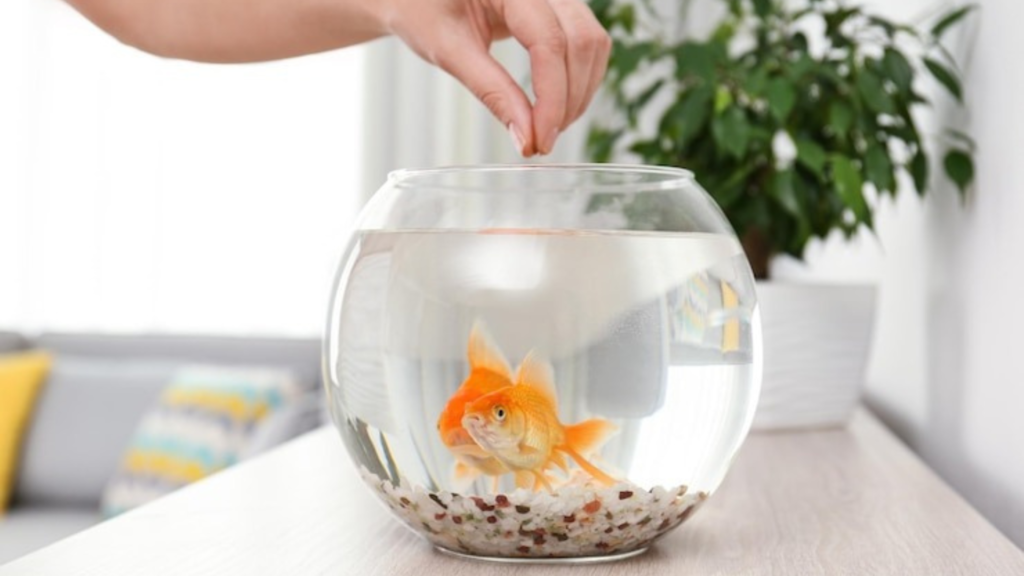
You can speed this up by adding live bacteria like Seachem Stability or Prodibio BioDigest, and you can also add ammonia to feed the bacteria. Use an ammonia, nitrite, and nitrate test to check the water’s properties. Overfeeding not only makes the water dirty, but it also creates organic waste that can break down quickly, which raises the levels of ammonia and nitrites. Also, fish can have health problems if they eat too much. How to stop it: Give the fish food that they can eat in 1–2 minutes 1–2 times a day. If there are any remains, they should be cleaned out with a net or a siphon.
Depending on the type of fish you get, you can feed them high-quality food like Sera vipan nature, Sera vipagran nature 100ml, or Ocean Nutrition. One of the most important parts of keeping an aquarium is controlling the water parameters. Even while the water may look pure, it could have dangerous levels of ammonia or nitrites in it. How to stop it: Check the water once a week. You may check the pH, hardness, nitrites, nitrates, and ammonia levels in your water with kits like a water test or reagent strips. Knowing these values will help you take action before a big problem happens.
Choosing Compatible Tropical Fish
Not all tropical fish can live with other tropical fish. Some species are particularly aggressive, territorial, or have water needs that are very different from others. Putting the wrong fish together might cause them to quarrel, get stressed out, and even die. How to stop it: Be careful when you buy. Learn about the size, behavior, and best habitat for each species. At Oceanoshop, we have a wide range of tropical fish that can live together, and we can provide you personalized advise based on the size of your aquarium. Even though the water in the aquarium may look clean, it is clear that pollutants.
Like nitrates and phosphates build up in the water over time. Also, the minerals that needed are becoming less stable. How to stop it: Change the water every week by 20 to 30 percent. To get rid of organic garbage, use the right kind of siphon, such as the Aquanova GC-120 siphon, and clean the substrate. Before adding the new water, make sure you treat it with some Seachem Prime or Anti-Chlorine. The filter is the most important part of the aquarium. If it doesn’t fit in your aquarium or gets clogged, the pH level of ammonia and nitrite will shoot through the roof, putting your fish in danger.