
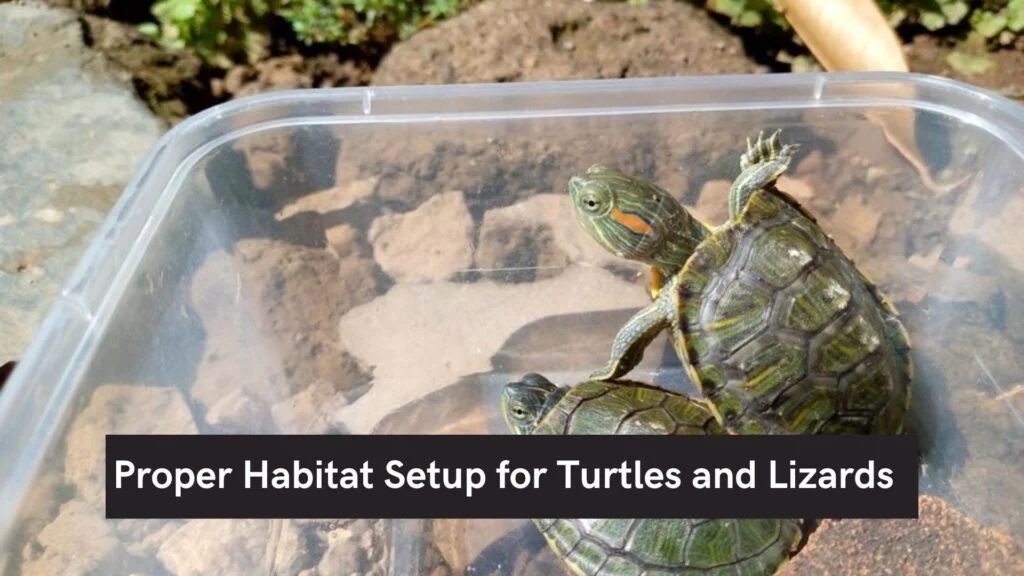
Natural tortoises habitat. It is also highly essential to study about natural habitat of tortoises to know whether the humidity level and temperature in your locality is most appropriate to your tortoises species because as much as possible, your tortoise should be able to spend much of the time outside. In case your yard can satisfy the concerned conditions, you are able to establish the atmosphere like its natural one. Otherwise, you’ll need to recreate the natural environment of your tortoise in a terrarium and take him out for sunbathing during the day. A proper habitat setup for turtles and lizards is crucial, especially for desert species that need dry, sunny areas and well-draining soil to prevent shell and foot rot.
You also need to ensure that the plants and herbs are edible; the tortoises will be eating them on daily basis. The environment of tortoises living in tropical climate. Tropical climates are harder to breed, because they need a significantly stable level of temperatures which do not change much day and night. The fact that the space is open is also a must and it is rather difficult to provide a high degree of humidity. Examples of plants found in this kind of climate are ferns and other plants with big leaves as sources of shades as well as cool hideout location of the tortoises.
The Construction of Tortoise Enclosure
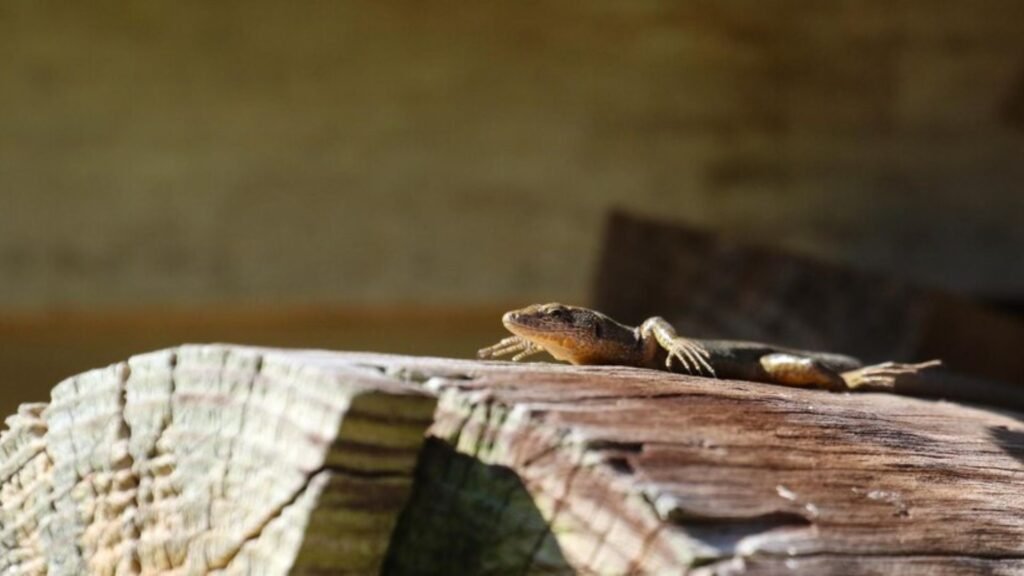
Provided that your tortoise is a burrowing type of turtle, you will also have to bury a wire fence mesh into the ground. In the enclosure, you will have to construct a dry warm shelter where the tortoise will sleep at night. You may make one yourself out of wood and roof of tin or plastic which traps heat of the sun during the day or you may purchase a tortoise hut.
To make your tortoises environment more beautiful you may use real rocks or purchase resin rocks and make such turtles some caves to keep the sun off them. It is also important to ensure that the shelter provided to your tortoise against possible predators is strong as it should be covered using a strong wire roof.
The Desert Environment
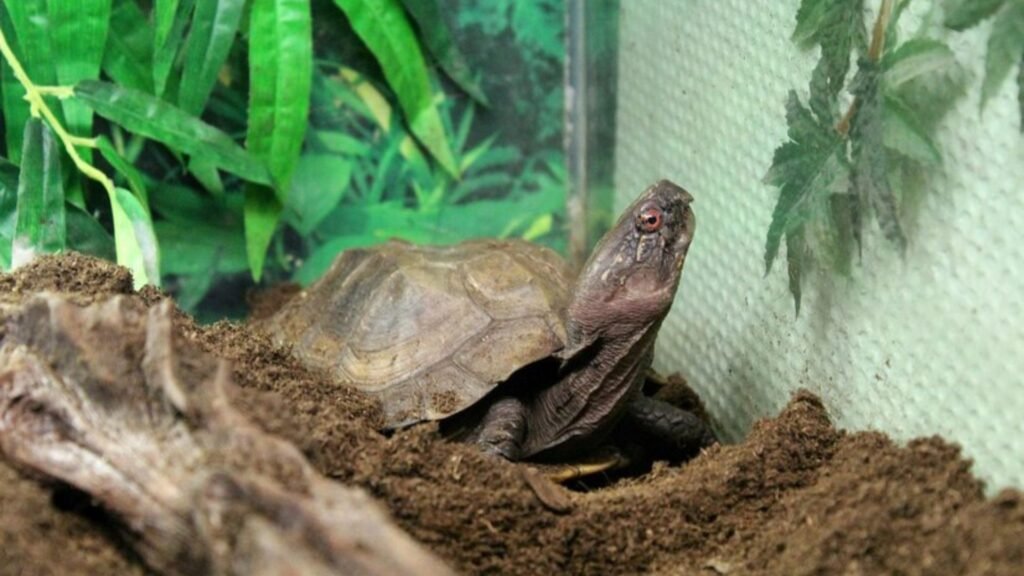
The collective image of the concept of the desert model presents the element of the excessive dryness, and of the intensive and continuous heat. This cliche however, is wrong. The level of temperature in such an environment oscillates between extremes at different times of the day as well as the condition of the animal involved. This kind of habitat usually contains few plants, rocks, and roots which enable the animals to present themselves or seek shelter to the sunlight.
Hence, you can give yourself an idea of very high temperatures (that may go up to 40 degrees Celsius) during the day, and very low temperatures (20 degrees Celsius, say) at the night. Actually, individuals who have experienced desert like conditions are aware of substantial changes in temperature during the day and night.
The Arboreal Climate
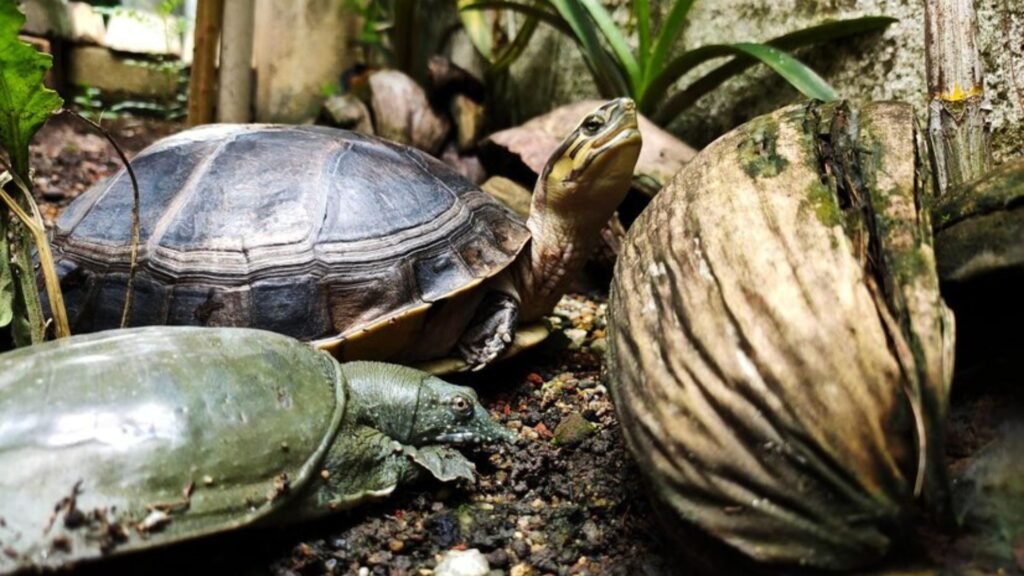
In this category of product, there is need to offer high floor height. Its mini inhabitants are not going to travel frequently by taking refuge in the so-called solid ground. Its space thus ought to be height more than length. It is okay to put some additional supports like small branch or plastic tube which will allow new residents to move around. The Earth Terrarium As compared to the arboreal terrarium, the current terrarium needs more space that is longitudinal than height.
It is thus of no use to have a habitat which is too high and it is even harmful to its occupants who would have attempted to crawl on such habitat. Be certain to load it up, however, with low-lying branches, or flat stones, or some such like accompaniments, not however, to excess.
Choosing the Right Product Size and Design
As indicated above, you should also select a product that will either be long or tall depending on the species requirement. Next, when it comes to its design, it is at your option. the floor is usually painted in a monotone, smooth colour (e.g. beige) and the decorations applied as a secondary layer.
Go crazy with imagination! Lastly, in terms of the material used, there exist a number of them and each has its plus and minus side. Glass is hard to deal with yet provides excellent lighting and views of your animal at all times. The most popular material is white melamine. The problem with it is its (variable) durability. Hence, it is a model that has only a limited life cycle that will have to be replaced at some time, as opposed to a glass product. Plastic/Plexiglas. These two are mostly used by industries.